
Long-distance moving
Movers from Los Angeles to San Francisco
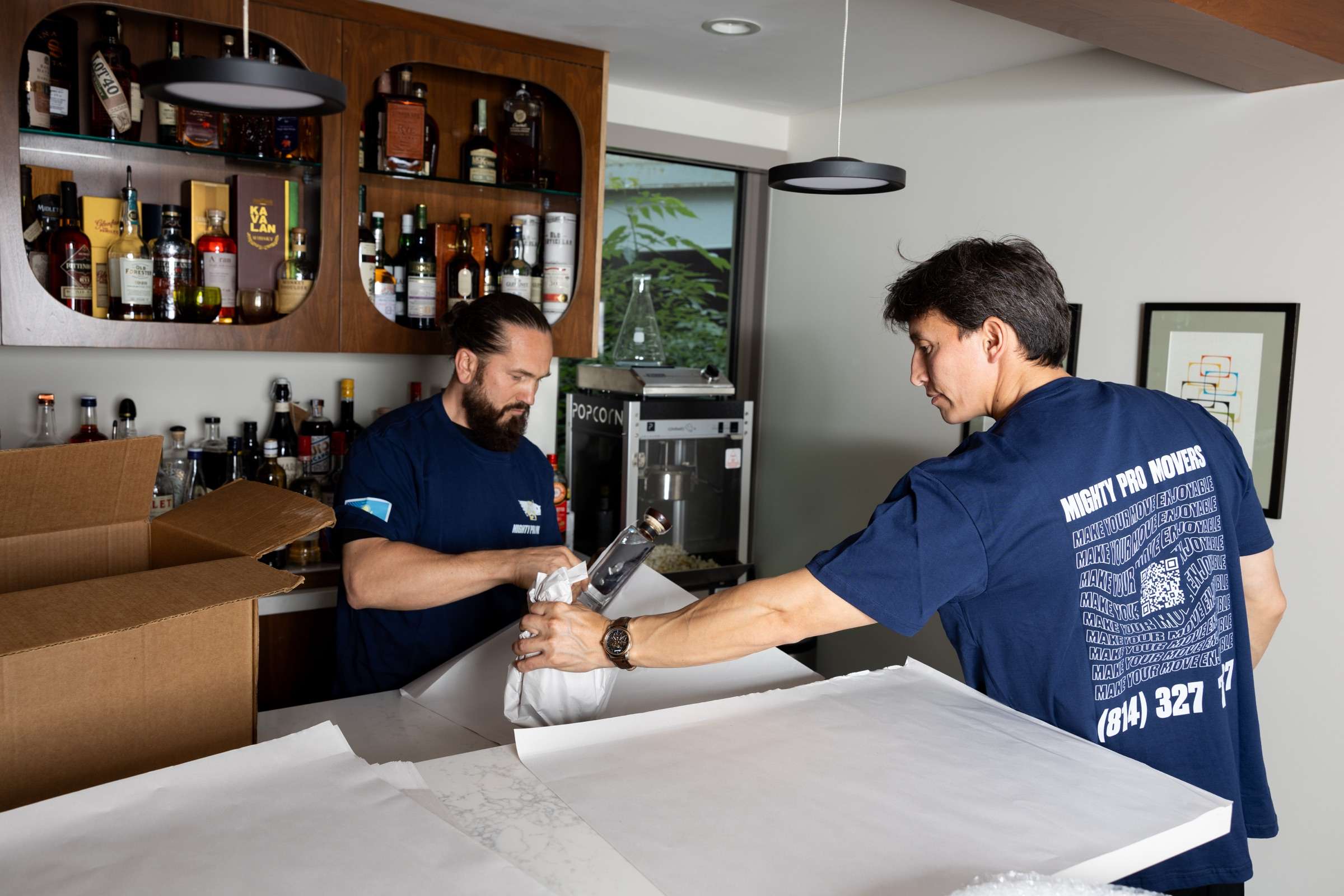
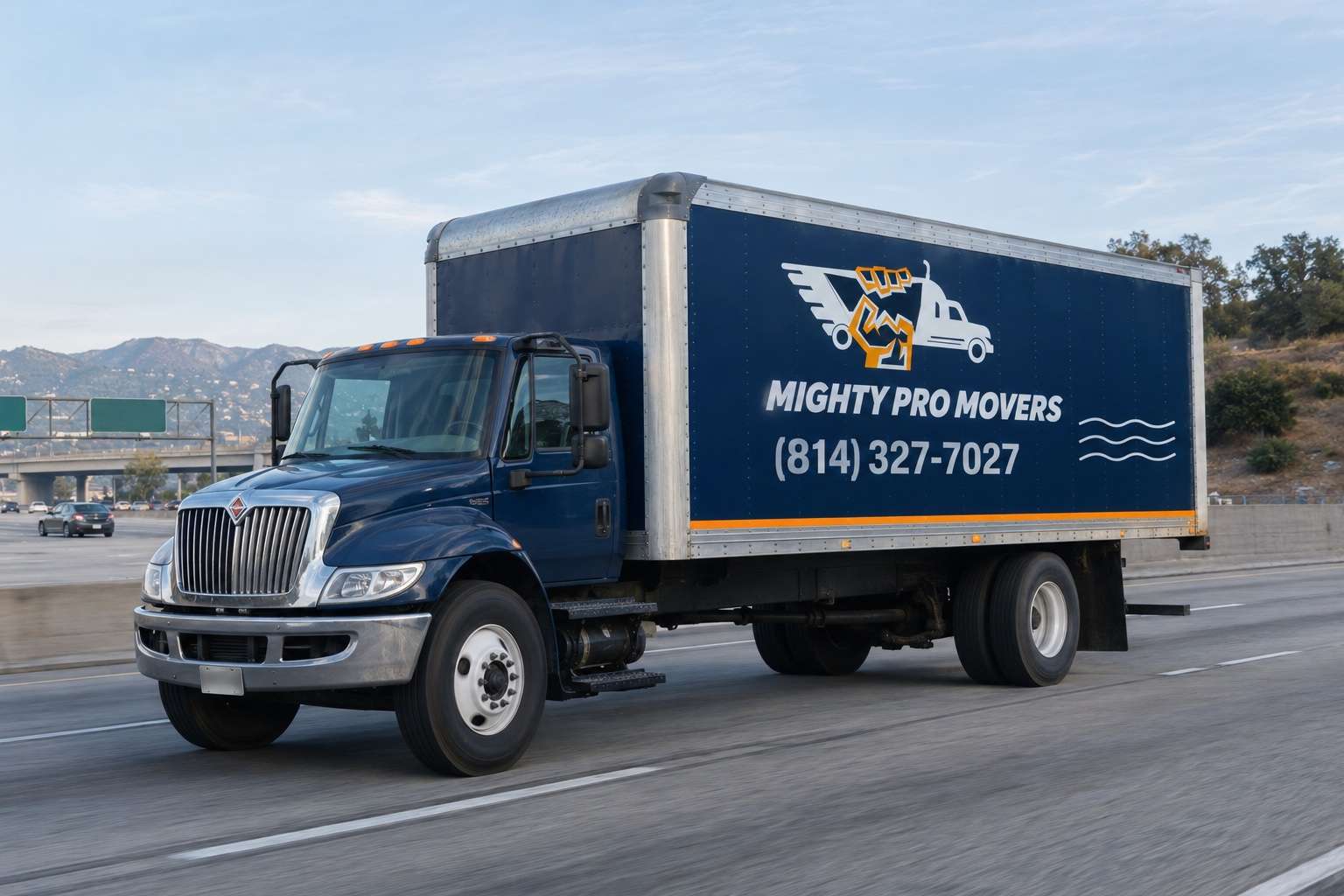
Trading the 405 for the Bay Bridge is a big move in every sense. Los Angeles to San Francisco is a full day on the road, mostly on one highway, with a city of hills waiting at the end. Movers from Los Angeles to San Francisco have three things to plan around: the Grapevine, the Central Valley, and what the streets look like when the truck finally arrives. Mighty Pro Movers runs this haul in a 26-foot truck, so your whole home makes the trip together.
The drive: the 5, the Grapevine, and the Central Valley
The usual route is the 5 north out of LA County, over Tejon Pass, and into the Central Valley. That stretch, the Grapevine, climbs to a bit over 4,000 feet and drops back into Kern County. In winter it can close for snow or wind, and a closure can last hours. Then comes the flat, straight run up the west side of the valley, with long gaps between exits.
South of Tracy, the route turns west onto the 580 and climbs over the Altamont Pass, then drops through Livermore toward Oakland and the Bay Bridge. The 580 backs up on weekday afternoons, and so does the bridge into the city.
Plan on six to eight hours of driving in clear conditions with a loaded truck, plus fuel stops, a break, and whatever the weather throws at you. The 99 is a slower alternate through Fresno and Modesto, and the 101 along the coast is longer still. We take the 5 unless there’s a reason not to.
Seasons on this route
| Season | What to expect |
|---|---|
| Winter | Snow or wind closures on the Grapevine, and tule fog in the Central Valley that slows traffic |
| Spring | Mild, with the occasional storm. Good for moving |
| Summer | Central Valley highs well over 100°F, so heat-sensitive items ride with you |
| Fall | Pleasant, though the first rains of the year can slow the Bay Area end |
Candles, vinyl records, plants, photo prints, and wine don’t like a hot truck. Carry them in your car with the AC on. In winter, keep your Bay Area plans loose, because a closed Grapevine can push a delivery by half a day or more.
One truck, one load, 380 miles
A local move is billed by the hour, and the crew can make a second trip. On a haul this long, everything goes on one truck, and the loading order matters. Heavy, solid pieces go first, against the front wall: the dresser, the dining table, the appliances. Wrapped furniture and boxes follow, and mattresses go in last. Everything rides the same 380 miles, so the goal is a tight load that stays put.
Each haul is quoted on its own. There’s no single price for the route, because the number depends on your inventory, your buildings, and your date. For the full picture, see the long-distance moving page.
The San Francisco end: hills, stairs, and parking
San Francisco is the hard part of this route, and it pays to plan for it. Many neighborhoods have steep streets, narrow lanes, and old buildings with long flights of stairs and no elevator. A third-floor apartment in an older building can mean a lot of trips.
The 26-foot truck is the issue. It needs real curb space, and San Francisco street parking is tight. The city runs its own process for temporary no-parking signs, so check with the city well ahead and ask how much notice you need. Don’t assume you can double-park, and don’t assume the truck can sit close to the door.
If your building has an elevator, reserve it for the delivery window. In a larger building, ask about a loading zone and whether the building wants a certificate of insurance from the movers. Send photos of the street, and tell us about the stairs when you ask for a quote.
Getting the LA end ready
Same list at this end: the elevator, the gate, move-in hours, and where the truck can stop. Moving out of downtown Los Angeles or Long Beach? The building may need paperwork from the movers, so ask early.
Coming from a house in Downey, Whittier, or the east side of LA County? Tell us about the driveway, the garage, and how much is in it. A garage packed with boxes adds a lot to the load.
The day before
Pack and tape your boxes, take apart what you can, and empty the fridge. Defrost the freezer. Put the things you can’t replace in your own car: documents, medications, jewelry, your laptop, and a box of first-night essentials.
Have someone ready at the San Francisco end to meet the truck. The crew needs a person to open the door and show where things go.
Our crews don’t disconnect gas appliances or washers, in LA or in San Francisco, so line up a tech at each end. Want help with boxes? See our packing service. Local moves are priced differently, and the pricing page explains hourly rates.
Tell us your San Francisco street. Get a free quote or call (814) 327-7027, every day, 9 a.m.–11 p.m.
What people ask us
How long does it take to move from Los Angeles to San Francisco?
The drive is about 380 miles, mostly on the 5.
In clear conditions, plan on six to eight hours behind the wheel for a loaded truck, more with fuel stops, Bay Area traffic, or a weather closure. Loading and unloading come on top of that, so we plan the day with you and go over delivery timing in your quote.
How much does it cost to move from Los Angeles to San Francisco?
Each long haul is quoted on its own.
We look at how much you're moving, how hard both buildings are to load and unload, and your date, then price your actual move. We don't post one number for this route. A studio and a 4-bedroom house are very different jobs over the same 380 miles.
Can a 26-foot truck fit on my San Francisco street?
Sometimes, but it's the biggest question on this route.
Steep hills, narrow streets, and tight curbs can limit where the truck stops, and the city runs its own process for temporary no-parking signs. Check with the city early, send us photos of the street, and we'll plan how far the crew has to carry.
What happens if the Grapevine is closed on my moving day?
The 5 over the Grapevine can close for snow, high wind, or an accident, mostly in winter.
If it closes, the crew waits or reroutes, and the delivery time shifts. Check Caltrans road conditions the day before, keep your plans at the Bay Area end flexible, and tell us if your building has a tight window.
Do I need to be there when the truck arrives in San Francisco?
Yes.
Someone needs to meet the crew, open the door, show where each room's furniture goes, and sign off when the truck is empty. If you're driving up separately, tell us your timing. A friend with a key and a floor plan works too, as long as they know your building's elevator and parking rules.
More ways we move you
Local Moving
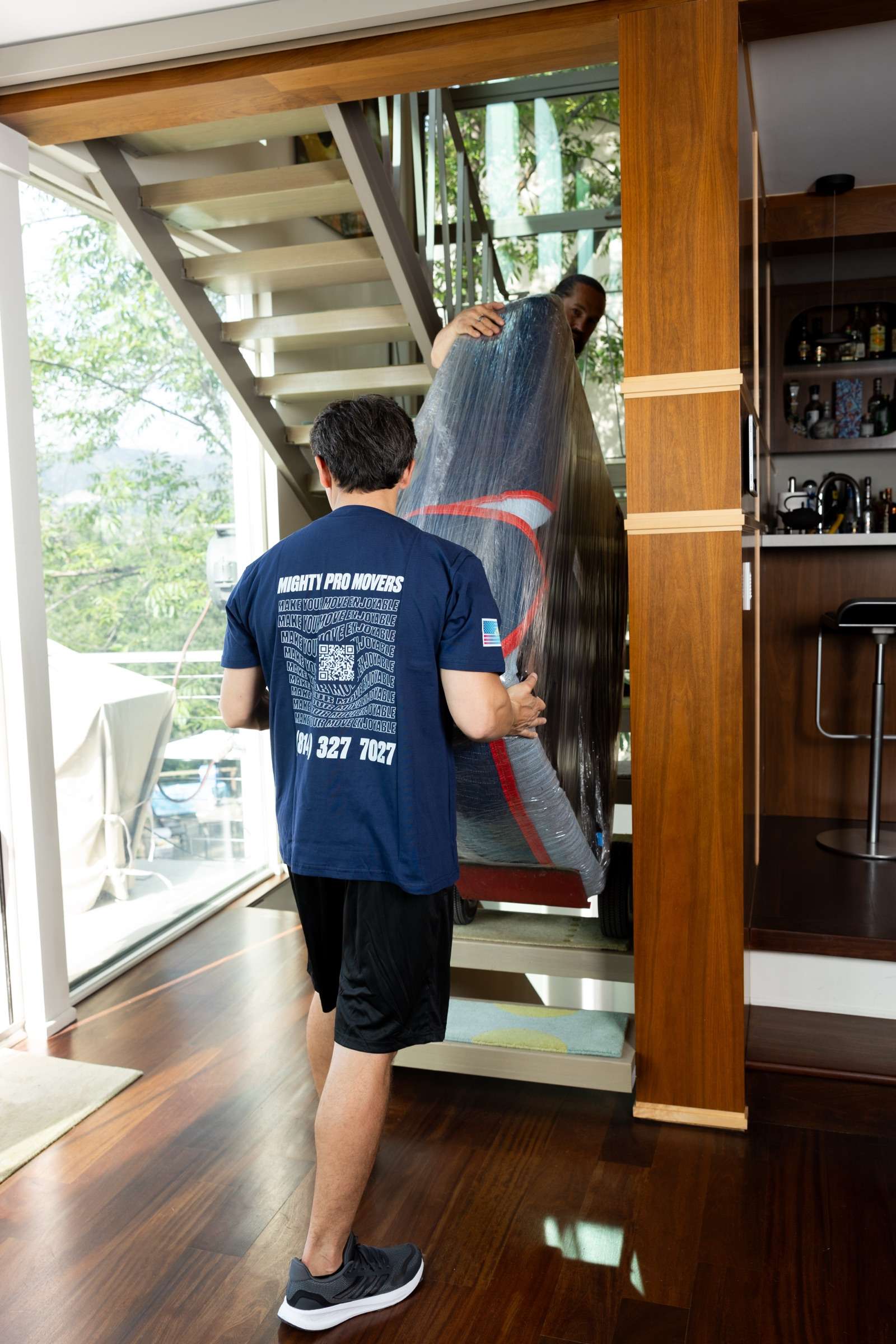
Across the street or across the 605. 2, 3, or 4 movers and a truck, by the hour, and every piece set down where you want it.
Packing
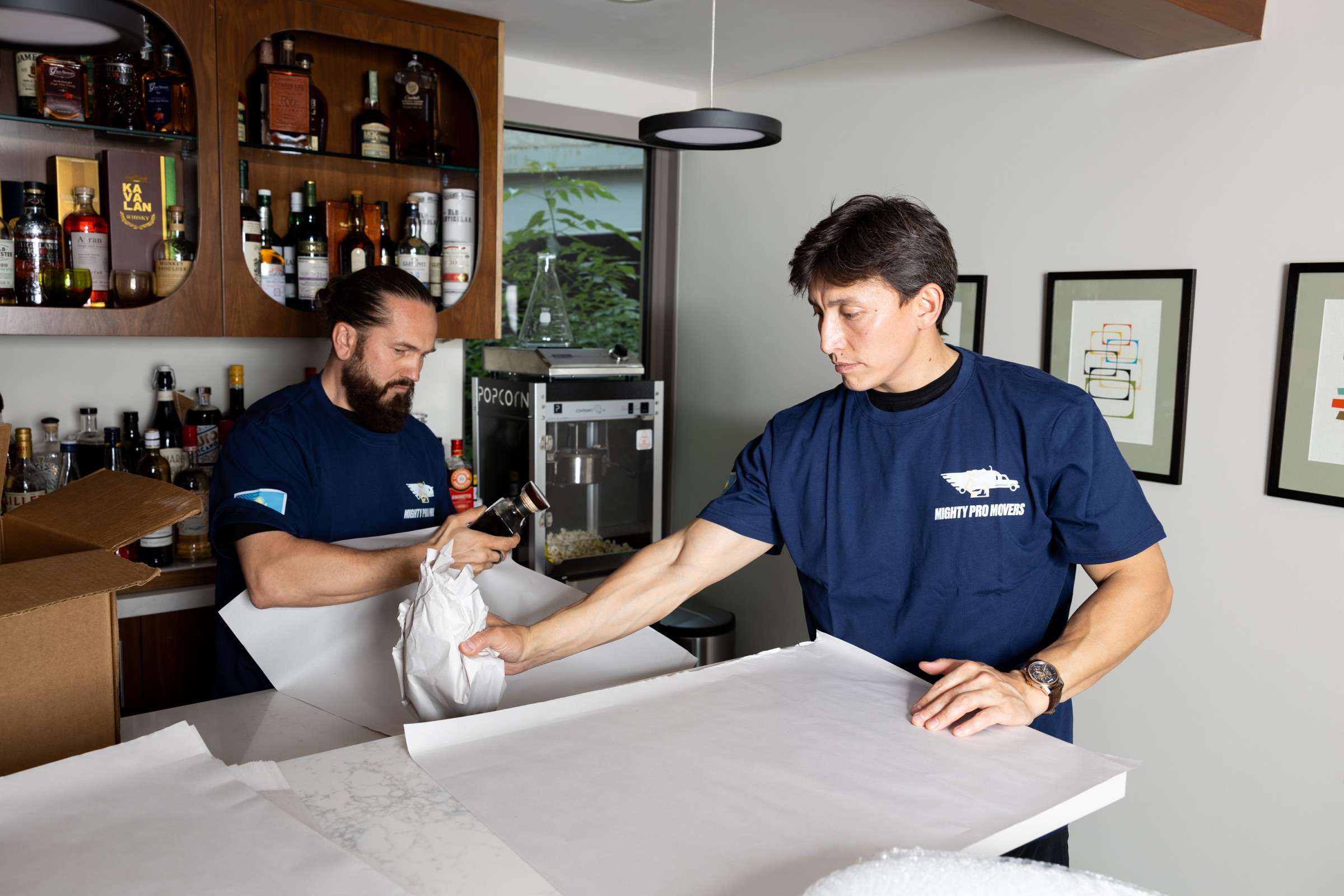
Forty glasses still in the cabinet the night before? We pack the kitchen, the closets, or the whole place.
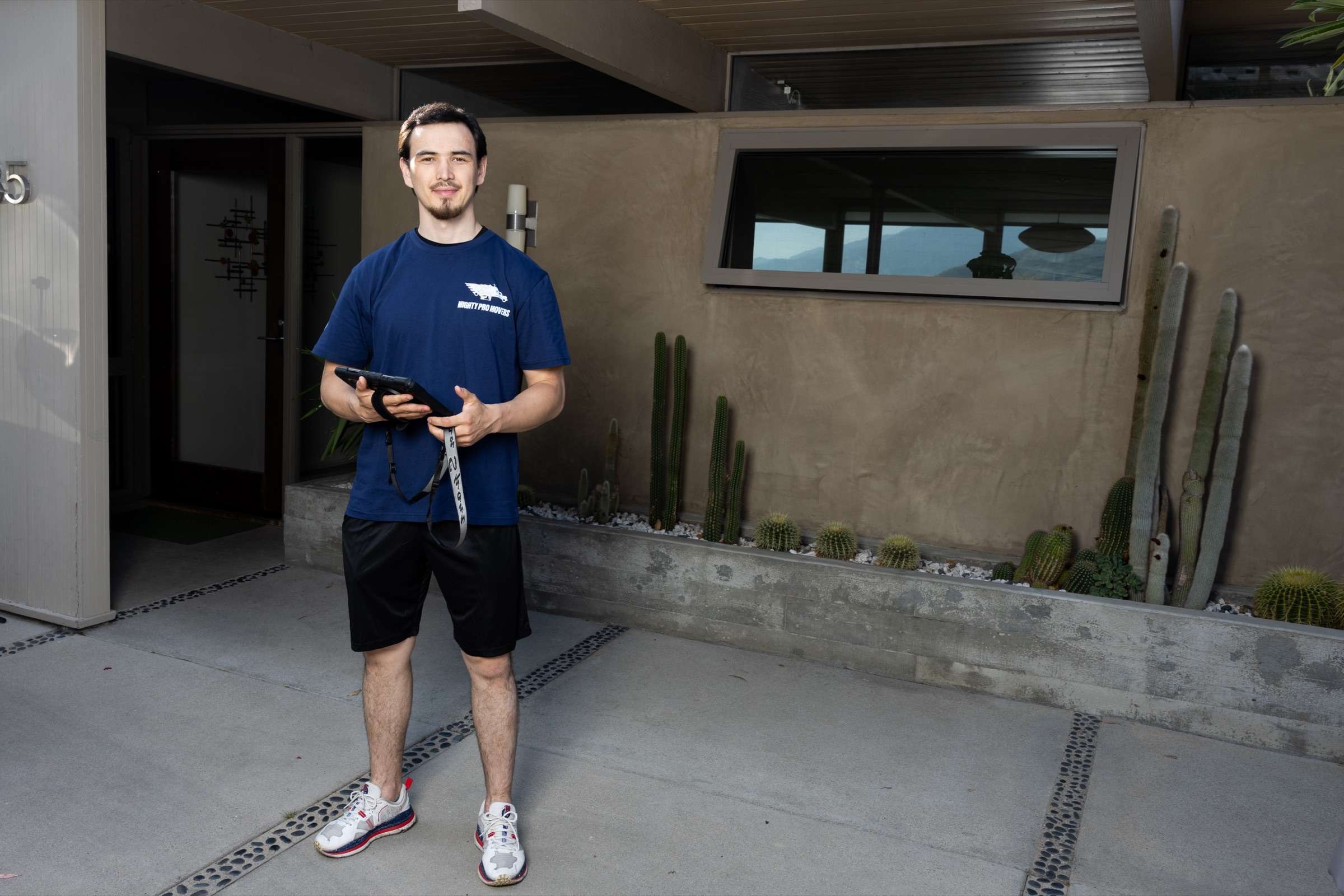
Commercial Moving
Desks, files, and equipment, moved on your building’s schedule so your team gets back to work. Offices over 1,000 sq ft usually get 4 movers.
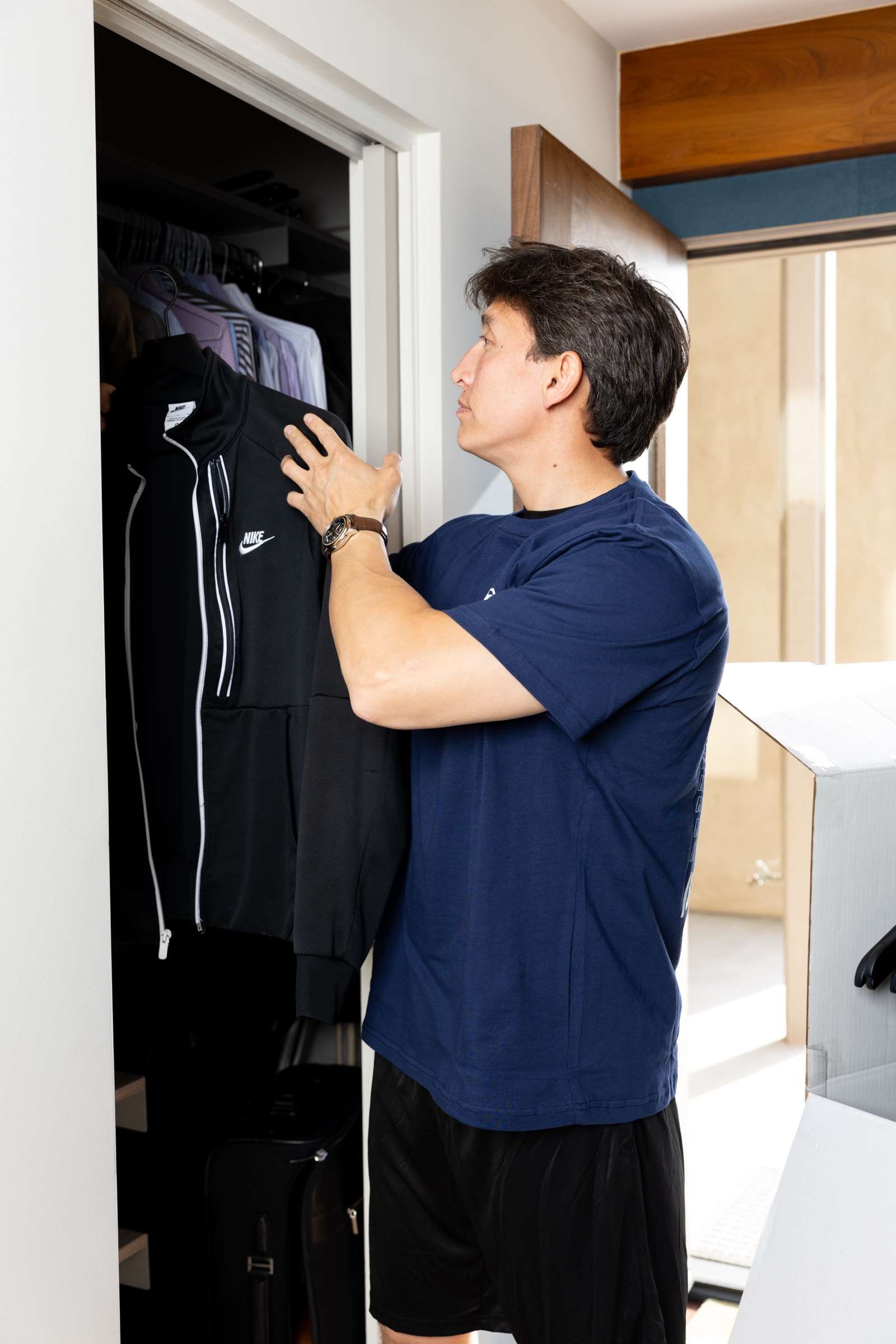
Apartment Moving
Third-floor walk-up, an elevator you had to book, a manager with rules. We plan the crew around your building.
Tell us what you’re moving
Where from, where to, and when. You’ll have the rate before anyone lifts a thing.